" height="70px" id="RzWLSDEhO" width="166.45666943593332px"/></svg>)

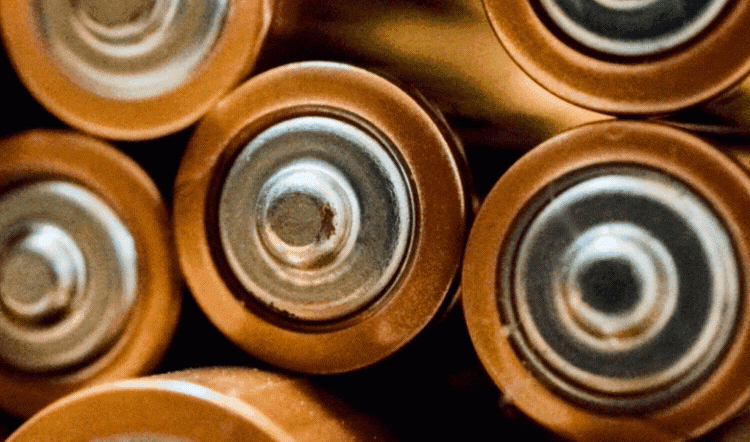
Batteries play a crucial role in a variety of devices, from smartphones to electric vehicles. With the growing demand for portable and sustainable energy, the import of batteries has become a relevant activity across various sectors. In this article, we will explore what you need to know about the import of batteries, including procedures, laws, possible fees, and the landscape of the Brazilian market in this segment.
What to know before importing batteries
Certifications and Standards: before importing batteries, it is essential to ensure that they meet the safety and quality standards established by regulatory authorities. In Brazil, batteries must comply with the technical standards set by INMETRO (National Institute of Metrology, Quality, and Technology) and other specific regulations for each type of battery.
Classification of Batteries: there are different types of batteries, such as lithium-ion, lead-acid, nickel-cadmium, among others. Each type has specific characteristics in terms of performance, durability, and safety. When importing batteries, it's important to understand the characteristics of each type and choose the one most suitable for the desired application or your target audience.
Necessary Documentation: the import of batteries requires a series of documents, including commercial invoice, bill of lading, import declaration, quality and origin certificates, among others. It is vital to comply with all documentation requirements to avoid delays and problems during the import process.
Procedures to import batteries
Supplier Identification: the first step to import batteries is finding a reliable and qualified supplier. Researching and verifying the supplier's reputation, as well as the quality of the products offered, is essential to ensure a successful import.
Cost Calculation: besides the price of the batteries, it is important to consider other costs associated with the import, such as international freight, transportation insurance, import fees, and customs clearance expenses. Performing a detailed analysis of total costs is essential to determine the financial viability of the import.
Customs Clearance: customs clearance is the process by which goods are released by customs for entry into the destination country. During this process, customs authorities verify the compliance of the goods with local regulations and charge applicable import fees.
Import laws and regulations for batteries
INMETRO Regulation: in Brazil, batteries must meet the requirements set by INMETRO regarding safety, performance, and energy efficiency. It is important to ensure that imported batteries comply with these regulations to avoid legal and commercial issues.
Import Restrictions: some batteries may be subject to restrictions or prohibitions on import due to safety or environmental impact concerns. It is crucial to check whether the batteries you intend to import are subject to any specific restrictions and comply with all applicable regulatory requirements.
Import Fees: the import of batteries is subject to fees and taxes, such as Import Tax, ICMS (Tax on Circulation of Goods and Services), and PIS/COFINS (Contribution for the Financing of Social Security). The amount of these fees may vary depending on the type of battery and the country of origin.
Documents needed to import lithium batteries
To import lithium-ion batteries, you will need several documents to ensure compliance with regulations and facilitate the import process. Some of the necessary documentation includes:
Commercial Invoice: this is a document issued by the supplier detailing the goods, including description, quantity, value, and terms of sale.
Bill of Lading (Bill of Lading or Air Waybill): this document is issued by the carrier and serves as proof of receipt of the cargo and transportation contract. It contains information about the origin, destination, type, and quantity of the cargo.
Certificates of Compliance: depending on the country of origin and destination, certificates of compliance may be required to attest that the batteries meet the safety and quality standards required by regulatory authorities. This may include certificates issued by the manufacturer, testing laboratories, or certification agencies.
Transport Documentation: for the transport of hazardous goods, such as lithium-ion batteries, you will need specific documentation in accordance with international transport regulations, such as the guidelines of IATA (International Air Transport Association) or IMO (International Maritime Organization). This may include dangerous goods declarations, transport labels, and dangerous goods declaration forms.
Import Declaration: this is an official document required by the customs authorities of the destination country to declare the imported goods and calculate the applicable taxes and fees.
Licenses and Special Authorizations: depending on the type of battery and the destination country, special licenses or authorizations may be needed to import lithium-ion batteries. This may include specific import licenses for regulated products.
It is important to check the specific requirements of the destination country and ensure that you have all necessary documentation before starting the import process. Working with an experienced customs broker or freight forwarder can help ensure that you comply with all applicable regulations and procedures.
Overview of the Brazilian battery market
The Brazilian battery market has shown significant growth driven by the increasing demand for electric vehicles, energy storage systems, and portable electronic devices. Both national and foreign companies have invested in expanding battery production capacity and developing more advanced technologies.
However, the Brazilian market also faces challenges, such as competition from imported products, the complexity of the regulatory environment, and the need for investments in battery recycling infrastructure to handle the waste generated.
In summary, the import of batteries offers interesting opportunities but also requires careful planning and adherence to applicable regulations. By understanding the procedures, laws, and characteristics of the Brazilian market, importers can make the most of the available opportunities in this segment.
At Fast Shipping, we understand the challenges and complexities involved in importing batteries. As specialized freight agents, we are here to simplify the entire process for you. We are committed to providing a smooth and efficient experience.
Our experienced team works closely with you to understand your specific needs and provide tailored solutions. Ensuring that your import is compliant with all local and international regulations.
Moreover, our global network of partners allows us to offer flexible and competitive transportation options, ensuring that your batteries arrive at the final destination quickly and safely. With Fast Shipping by your side, you can rest assured that your battery import is in good hands.
Whatever the size or complexity of your project, we are here to help. Count on us to simplify the entire process and make your import experience more efficient and hassle-free.