" height="70px" id="RzWLSDEhO" width="166.45666943593332px"/></svg>)

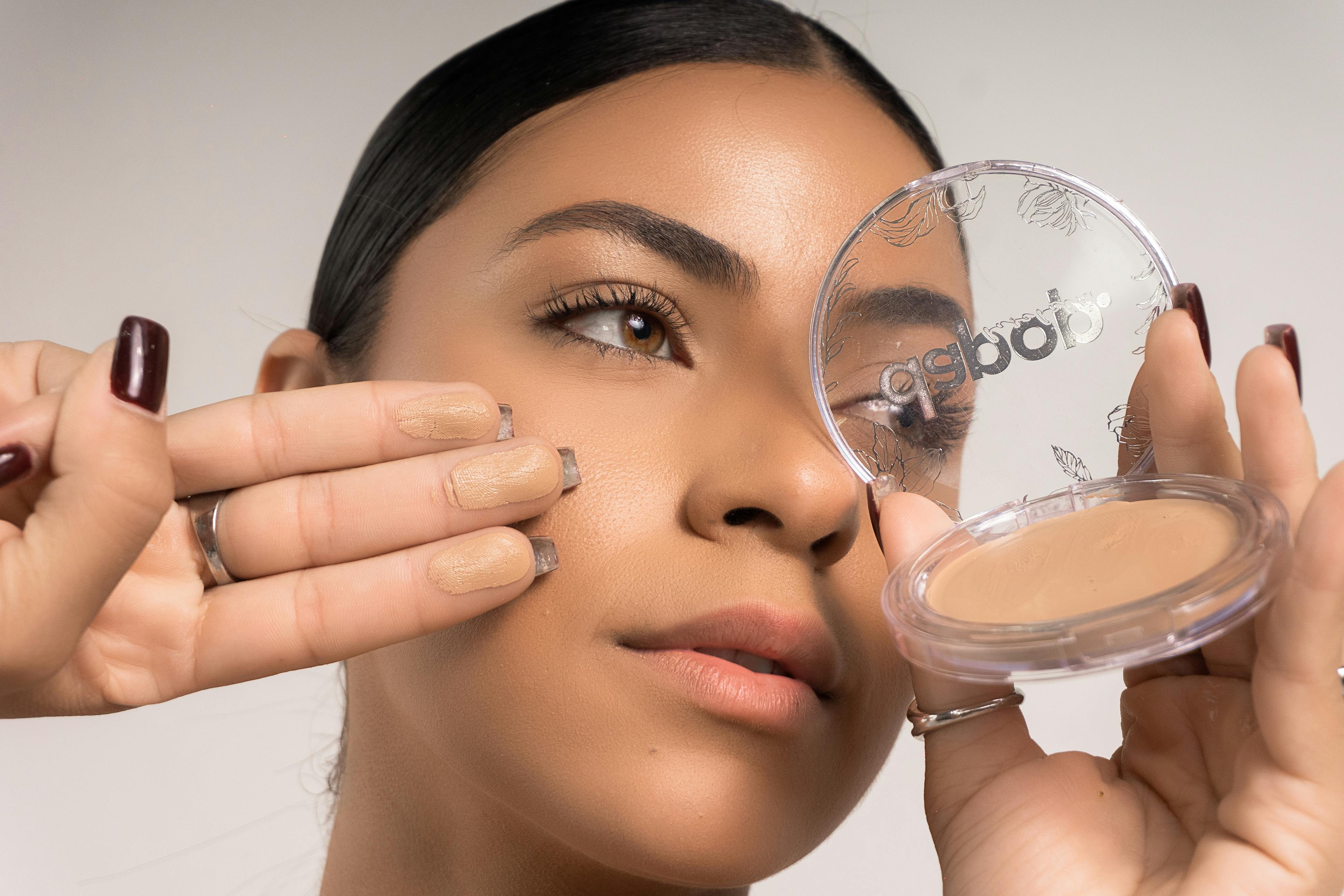
The import of cosmetics in Brazil is an area with great growth potential, especially due to the growing demand for beauty products and high-quality personal care. To ensure success in importing, it is essential to understand the main supplying countries, logistical routes, the most sought-after types of products, as well as the laws and regulations governing the Brazilian market.
Main Exporting Countries of Cosmetics
The cosmetics imported into Brazil mostly come from countries known for the quality of their beauty products:
France: The world leader in the export of perfumes and luxury products.
United States: Famous for their innovations in skincare and dermatological cosmetics.
South Korea: A reference in cosmetics focusing on innovation and skincare (K-Beauty).
Italy: Strong in makeup and high-performance hair products.
Germany: Products with advanced technology, especially in the personal care segment.
Most Common Logistical Routes
The main routes for importing cosmetics vary depending on the country of origin:
France and Italy: Predominantly utilize the ports of Le Havre (France) and Genoa (Italy) headed to the Port of Santos or the Port of Paranaguá.
United States: The most common route is via the port of Miami, destined for Brazil through the Port of Santos or Rio de Janeiro.
South Korea: Typically passes through the ports of Busan and heads to Brazil via the Port of Santos or the Port of Itajaí.
The choice of port and route should consider transit time and the cost-benefit of the operation.
Imported Products and Types of Cosmetics
The Brazilian market imports a wide range of cosmetic products, such as:
Makeup: Lipsticks, foundations, mascaras, eyeshadows.
Fragrances: Imported luxury essences.
Skincare: Serums, anti-aging creams, sunscreens.
Hair products: Shampoos, conditioners, treatments.
Personal care: Soaps, deodorants, intimate hygiene products.
Brazilian Laws and Regulations for Importing Cosmetics
The regulation of cosmetics in Brazil is controlled by the ANVISA (National Health Surveillance Agency), which imposes strict quality and safety controls. The main regulations include:
Registration with ANVISA: All cosmetics must be registered or notified before marketing. The difference between registration and notification lies in the product's risk level.
Good Manufacturing Practices (GMP): Imported products must be manufactured following the good practices established by ANVISA and Mercosur.
Label and Packaging Approval: The packaging must contain clear information in Portuguese, including composition, expiration date, and usage instructions.
Safety and Efficacy Testing: Imported products must undergo tests that prove their safety for use.
Common Taxes and Levies in Importing Cosmetics
Importing cosmetics to Brazil involves paying various taxes and levies. The most common are:
Import Tax (II): Generally between 18% and 20%, depending on the product classification.
ICMS (Tax on Circulation of Goods and Services): Varies according to the destination state, usually between 17% and 18%.
PIS/Cofins: About 9.25%, with 1.65% for PIS and 7.6% for Cofins.
Tax Siscomex: Charged for using the foreign trade system.
Additionally, it is essential to pay attention to any international agreements that may reduce tariffs, such as those involving Mercosur member countries.
Requirements for Importing Cosmetics
For companies wishing to import cosmetics to Brazil, it is necessary to meet some fundamental requirements:
Registration in the Radar Siscomex: A necessary registration to operate in Brazilian foreign trade.
Import License (LI): Depending on the type of cosmetic, it may be necessary to obtain authorization from ANVISA before shipping.
Certificate of Origin and Product Analysis: Some cosmetics require certificates that prove the origin and compliance with international sanitary regulations.
Engaging a cargo agency: It is advisable to rely on the support of companies specialized in international logistics to ensure that the entire process, from transportation to customs clearance, is conducted smoothly.
Importing cosmetics to Brazil can be an excellent business opportunity, provided the company pays attention to regulatory standards, the most efficient logistical routes, and the costs involved. Being compliant with the legislation and working with qualified logistics partners, such as Fast Shipping, is the best way to ensure the success of your operation.
Oh, if your cargo is not large enough to fill an entire container, consider working with consolidated sea freight or even an air freight.
Read more: Import Guide from China