" height="70px" id="RzWLSDEhO" width="166.45666943593332px"/></svg>)

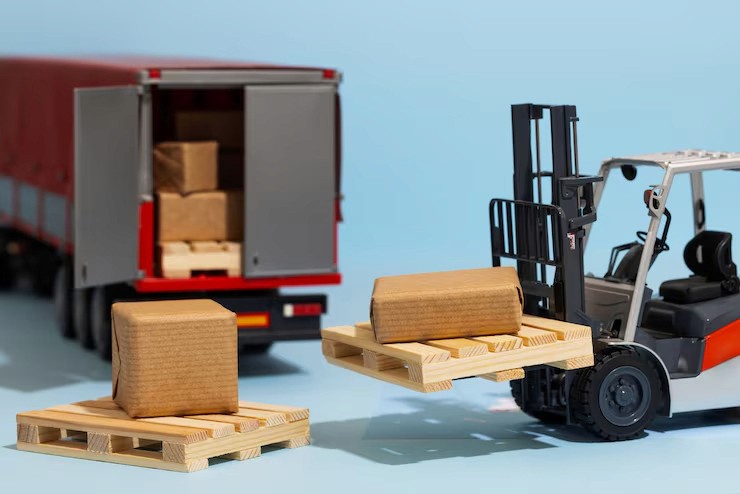
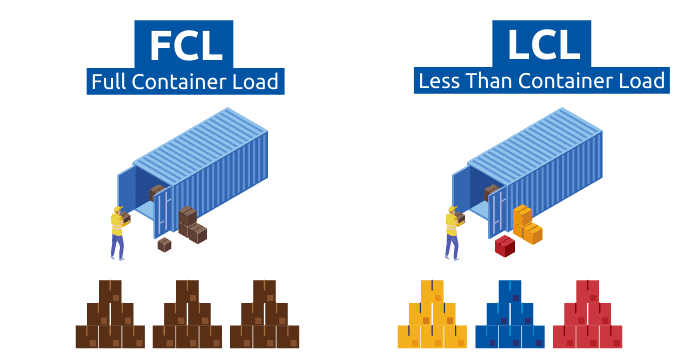
Consolidated shipments (LCL), also known as “grouped shipments” or “combined loads,” refer to the practice of combining multiple shipments from different shippers into a single dispatch to optimize space and reduce shipping costs. This method is widely used in the logistics and transportation industry to maximize efficiency and minimize operational costs. Here is a detailed analysis of what they are, how they work, and their advantages and disadvantages.
What is a consolidated shipment?
A consolidated shipment is formed by combining several shipments from different shippers into a single container or transport vehicle. Instead of sending each shipment separately, companies choose to group their loads to take advantage of the benefits of logistical efficiency and economies of scale.
How to Make a Consolidated Shipment?
Making a consolidated shipment involves several steps:
Collection of Goods: individual shipments are collected from shippers at different origin locations.
Consolidation: the goods are grouped into a single container or transport vehicle, usually at a consolidation center.
Documentation: the proper documentation is prepared for each shipment, ensuring compliance with customs and transportation regulations.
Transport: the consolidated shipment is transported to the final destination.
Distribution: at the destination, the goods are separated and delivered to the respective recipients.
Difference between Consolidated and Non-Consolidated Shipments
Consolidated Shipment: multiple shipments are combined into a single shipment to optimize space and reduce costs.
Non-Consolidated Shipment: each shipment is sent separately, occupying individual space and resources.
Advantages and Disadvantages of Consolidated Shipments
Advantages
Cost Reduction: by sharing transport space, expenses are divided among the shippers, resulting in lower costs per unit.
Operational Efficiency: fewer vehicles are needed to transport multiple shipments, reducing road congestion and environmental impacts.
Access to More Exclusive Routes: consolidated shipments may allow access to routes or modes of transport that would not be available for smaller shipments.
Greater Security: the grouping of multiple shipments into a single shipment can provide an additional layer of security against theft or damage.
Disadvantages
Longer Transit Time: in some cases, consolidated shipments may take longer to reach the destination due to the need for coordination among shipments.
Risk of Damage or Loss: if a shipment within the consolidated load is damaged or lost, it may be difficult to assign liability and resolve claims.
Less Flexibility: shippers may face restrictions in terms of delivery schedules and route flexibility when opting for consolidated shipments.
What to consider when requesting a quote:
When requesting a quote for consolidated cargo, it is important to consider several factors:
Volume and Weight of Shipments: the size and weight of the goods will influence the cost of consolidated cargo.
Distance and Destination: the distance between the origin and the destination, as well as the specific route, will affect the transportation price.
Urgency of Delivery: if transit time is critical, faster transportation services may be necessary and, therefore, more expensive.
Type of Goods: certain types of goods may require special transportation conditions, affecting the cost and availability of consolidated cargo options.
Logistical Advantage
Consolidated cargo offers a significant logistical advantage by allowing the optimization of transport space and reducing operational costs. By grouping several shipments into a single consignment, companies can leverage economies of scale and offer more competitive prices to customers.
In summary, consolidated cargo is an effective strategy for optimizing the transport of goods, reducing costs, and improving operational efficiency. However, it is important to carefully consider the pros and cons when deciding whether this method is appropriate for your company's logistical needs.